
“We” have 63 National Parks.
Well, no: It’s more than 400.
Well, no again: world-wide it is more like 7,000
And that does not even include state and regional parks.
Confused?! You should be. I doubt that anyone could name all of the American parks. And you certainly do not need to know all of them to do well in History 452. But I want to give you an idea of the big picture, and so I’ve copied this list of parks of various kinds of American parks from Wikipedia; Here goes:
US National ParksLinks to an external site. — we have 63 simply named “National Park.” (See below for other parks in the American system as a whole.) These 61 are considered a kind of elite among the national parks, but curiously there many “lesser”parks whose scenery is arguably more grand than the big 61: Cape Cod National Seashore comes to mind, as does the Devil’s Tower National Monument.
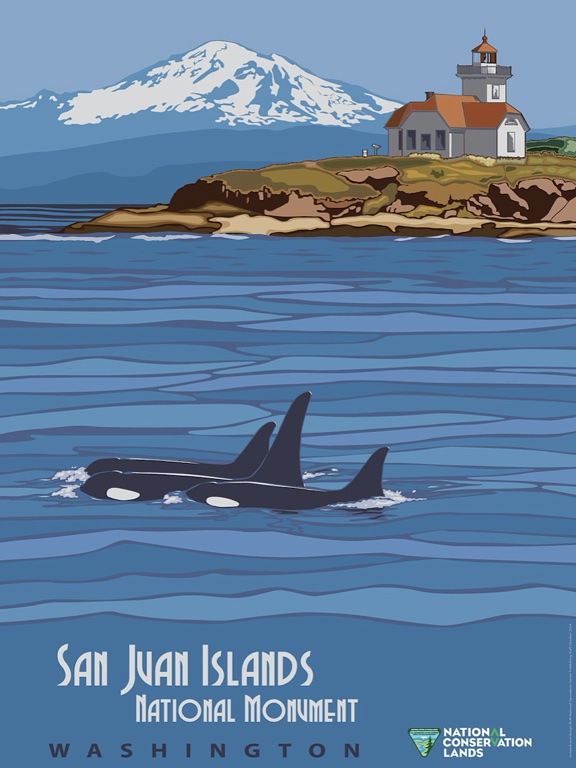
US National MonumentsLinks to an external site. — at this writing (November 2022) there are 130 of these. Unlike National Parks, which require Congressional approval to be created, the Monuments can be set aside simply by presidential decree, under the antiquities Act of 1906. Most of these are administered by the National Parks Service (NPS) under the Interior Department. But several are administered under other branches of the government. (See this article for full list.) The San Juan Islands National Monument in our own Washington State is an interesting and confusing example. In the San Juans there is also a San Juan Island National Historical Park. The historical park is run by the NPS, but the national monument is run by the Bureau of Land Management. A sign at the lovely lighthouse on Stuart Island (one of the many sites in the park) declares that the headquarters for park is located, of all things, in Spokane — far away from the sea!
Reid Point, AKA Turn Point, Lighthouse
Designation of National Park System Units
https://www.nps.gov/goga/planyourvisit/designations.htm
The numerous designations within the National Park System sometime confuse visitors. The names are created in the Congressional legislation authorizing the sites or by the president, who proclaims “national monuments” under the Antiquities Act of 1906. Many names are descriptive—lakeshores, seashores, battlefields—but others cannot be neatly categorized because of the diversity of resources within them. In 1970, Congress elaborated on the 1916 National Park Service Organic Act, saying all units of the system have equal legal standing in a national system.